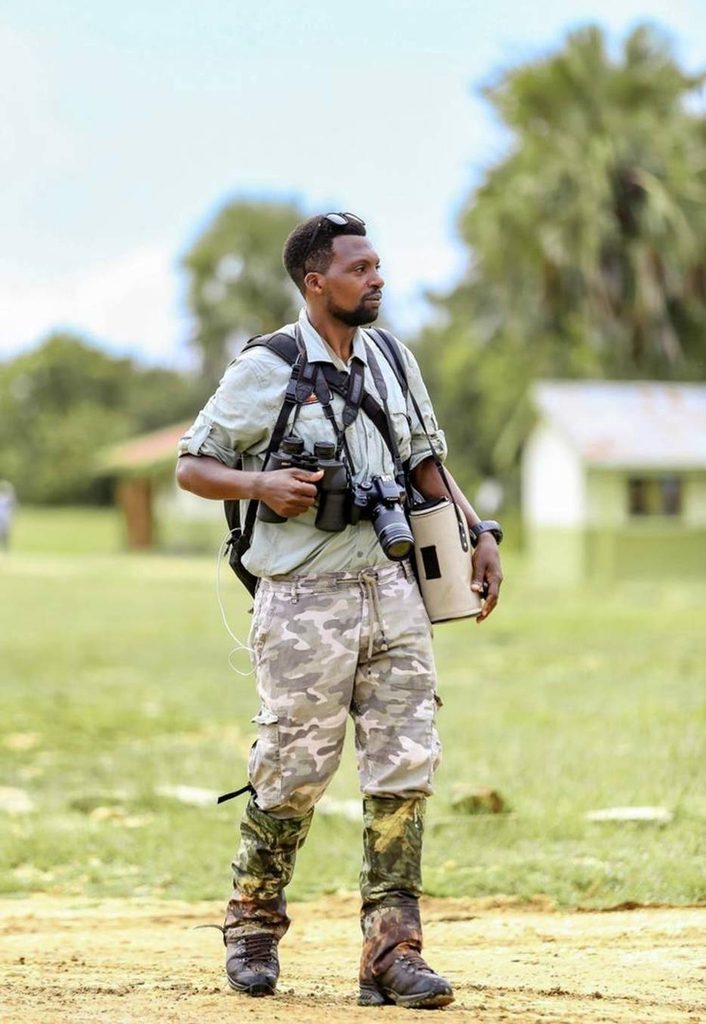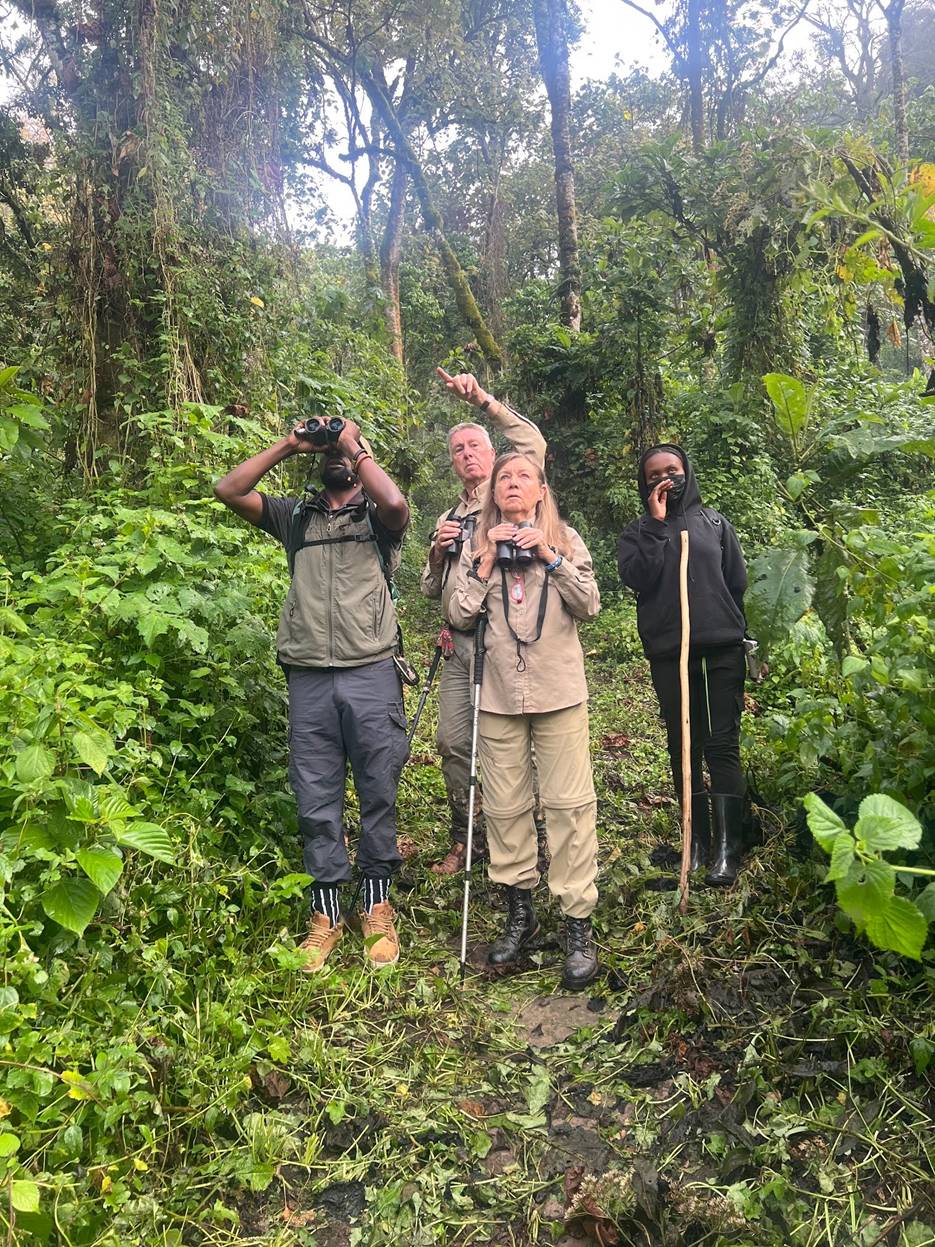
For more than 13 years, I have walked the trails of Ruhija in Bwindi Impenetrable Forest with binoculars around my neck and bird calls guiding my way.
I have watched visitors become completely silent when a handsome African Broadbill appears in the forest canopy. I have seen the excitement on a birder’s face when a Grauer’s Broadbill, Short-tailed Warbler or Narina Trogon finally reveals itself after hours of searching. These moments remind me every day why Uganda’s birds are worth protecting. But after many years in the field, I have also come to understand something equally important:
Bird conservation cannot succeed if the people living alongside birds feel that conservation is working against them.
When I guide visitors through Bwindi, I see a forest full of extraordinary biodiversity. I see birds, primates, butterflies, trees and countless sounds that cannot easily be explained to someone who has never experienced an Albertine Rift Forest.
But for communities around the forest, the landscape is more than a place where tourists come to look for birds. It is home. It is where people farm, raise families, collect resources, conduct their businesses and plan for the future of their children.
This is where conservation becomes complicated. A visitor may look at a forest and see a rare bird worth travelling across the world to find. A local farmer may look at the same landscape and think about land, food and school fees. Neither person is wrong. The challenge is finding a way or both to benefit from the same natural heritage.
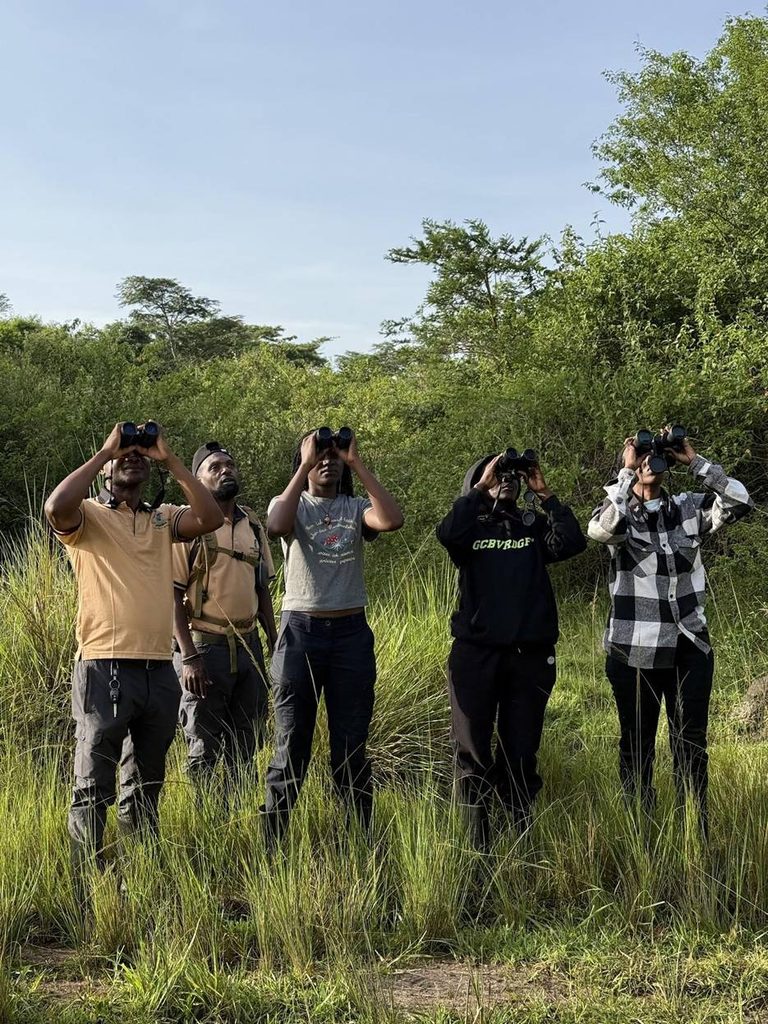
I have learned to listen to the people behind the birds
One of the greatest lessons guiding has taught me is that you cannot understand conservation only by looking through binoculars. You have to listen, Talk to the farmers, Talk to the local guide. Talk to the person who has lived beside the forest for decades. Talk to the young person who is deciding whether conservation and tourism offer them a future.
Sometimes the strongest conservation knowledge does not come from a scientific report. It comes from someone who has watched the seasons change around their home for 40 or 50 years. Communities often know which birds arrive at particular times of the year, where certain species feed, when wetlands become flooded and how the landscape has changed.
That knowledge is valuable. Unfortunately, conservation projects sometimes arrive with beautiful plans but insufficient time spent listening to the people who live there. And when people feel that decisions are being made about their land and resources without them, conservation can slowly become something they tolerate rather than something they own.
My work as a bird guide has also shown me the positive side. When a visitor comes to Ruhija to see the birds of Bwindi, there is a whole chain of people who can benefit. There is the local bird guide. There may be a driver. A lodge employs local staff. Someone supplies food. A community member may sell crafts. A young person may find work as a porter, tracker or conservation assistant. Suddenly, the bird is doing more than attracting a tourist.
This is one of the reasons I believe bird tourism can become one of Uganda’s strongest conservation tools. But we have to make sure the benefits are real. It is not enough to tell a community that their forest is valuable because international visitors love its birds. People need to see how that value translates into opportunities for their families.
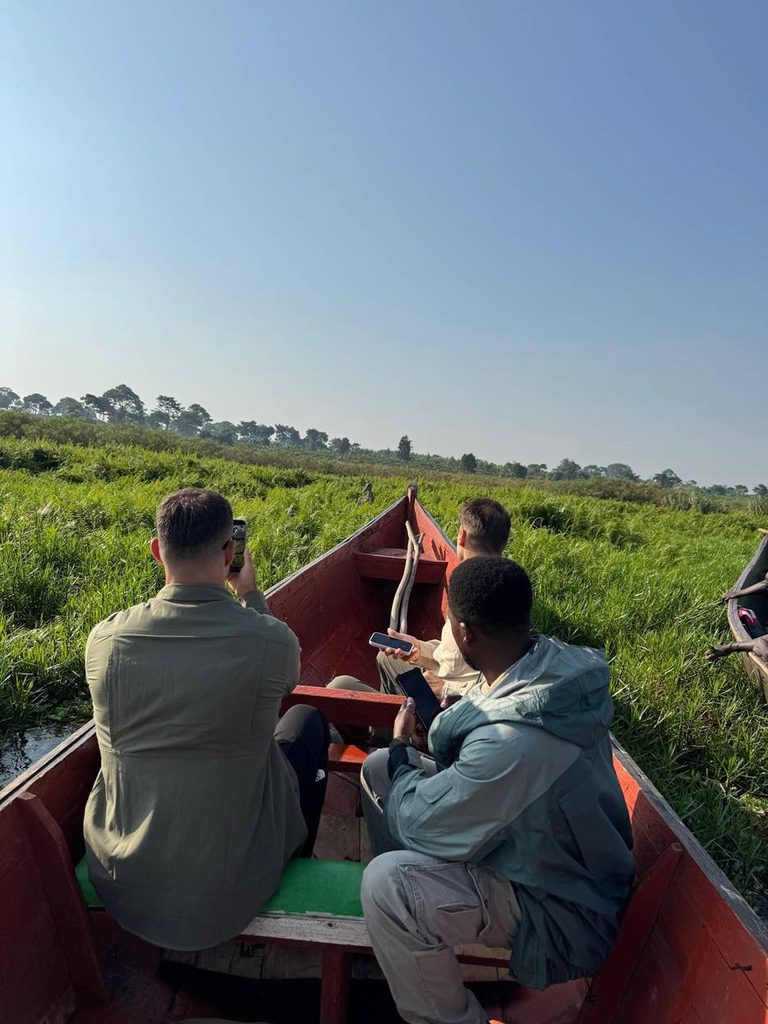
Mabamba has an important lesson for us.
Whenever we talk about the relationship between birds, tourism and communities in Uganda, Mabamba Bay is an important example. The wetland is internationally known for the Shoebill and supports an extraordinary diversity of birdlife. Community involvement in guiding, boat operations, awareness and conservation has helped connect the value of the wetland with local livelihoods. Nature Uganda’s work at Mabamba specifically recognises livelihood diversification and community-based conservation as important parts of protecting the wetland. What do we learn?
When a community can benefit from keeping a bird alive, the bird gains an ally. The Shoebill is not only a conservation concern. For local guides and boat operators, it can also be a source of income. That is the kind of relationship we need to strengthen across Uganda.
But what happens when conservation only says “no”?
This is where I think we need to be honest with ourselves. If conservation constantly tells communities, don’t cut this tree, don’t cultivate here, don’t fish there, don’t enter this area, don’t collect that resource, don’t disturb this bird, Eventually, a community may reasonably ask. “Then what can we do?”
Conservation cannot survive forever on restrictions alone, People need alternatives, they need opportunities, they need education, they need markets, they need tourism that works, they need to feel that protecting nature does not mean sacrificing their children’s future. This is especially important in rural Uganda, where poverty and limited employment opportunities can make conservation decisions much more difficult.
We should not romanticise communities either
At the same time, I do not believe we should pretend that every community activity is automatically sustainable, Bird habitats are genuinely under pressure, Wetlands are being converted, Forests are being degraded, Agricultural expansion is changing landscapes. And species such as the Grey-crowned Crane and Shoebill face real threats.
Uganda’s conservation organisations have repeatedly highlighted the connection between habitat degradation, community livelihoods and bird conservation. Current work around important wetlands such as the Murchison Falls-Albert Delta also recognises that these landscapes support both exceptional biodiversity and people’s livelihoods. So, the answer is not to abandon conservation. The answer is to make conservation fairer, more practical and more inclusive.
This is something particularly close to my heart as a guide. If we want Uganda to have bird guides 20 or 30 years from now, young people must see value in birds today. A young person should be able to look at a Great Blue Turaco, African Broadbill or Grey-crowned Crane and understand that protecting it can create opportunities. That opportunity could be guiding. It could be research. It could be photography. It could be tourism. It could be environmental education. It could be conservation technology and data collection. It could even be entrepreneurship built around birding. This is why initiatives like Avian School of Ornithology-ASO that train local guides and communities are so important. We should not only tell young Ugandans that birds are beautiful. We should show them that birds can also be part of their future.
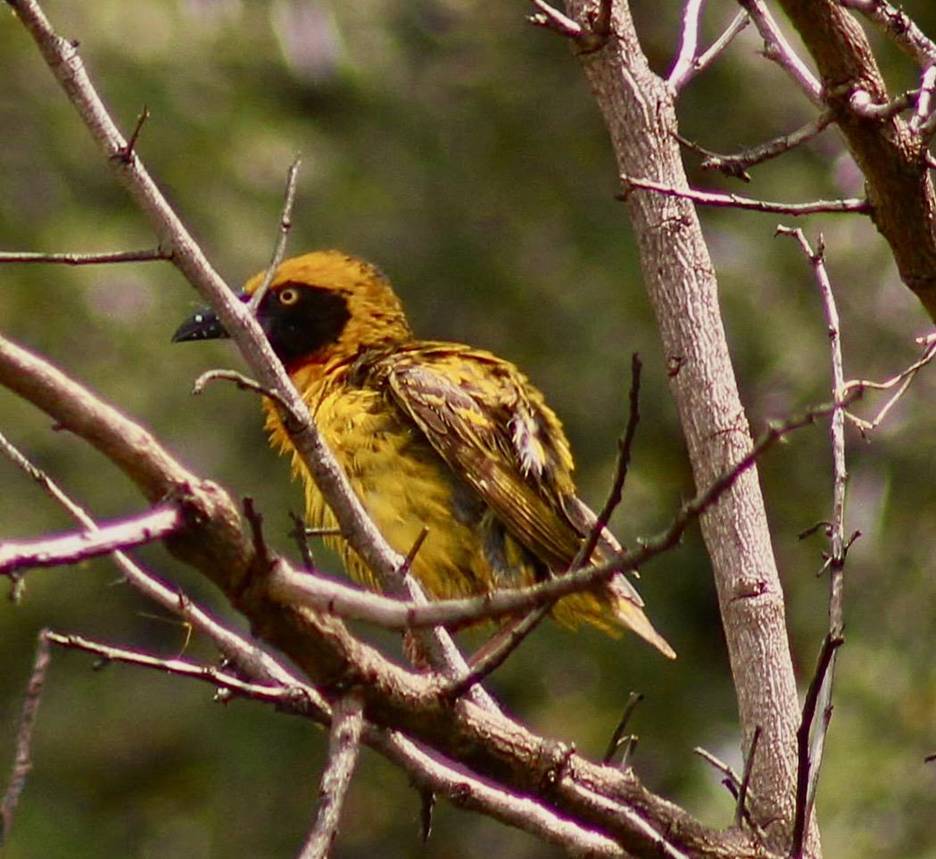
Fox’s Weaver-By Peter Ranger in Pian Upe Photo
As bird guides, I believe we have a role that goes beyond finding birds. We are interpreters. We explain nature to visitors, but we can also explain communities to visitors. We can tell a birder why a particular wetland matters to local people. We can encourage visitors to support locally owned businesses. We can promote responsible tourism. We can share community stories. And we can carry community concerns back to conservation organisations and tourism stakeholders.
A good guide should be able to say, “This is the bird you came to see, ” but an even better guide should also be able to say, “And this is the community whose future is connected to the habitat that supports this bird.”
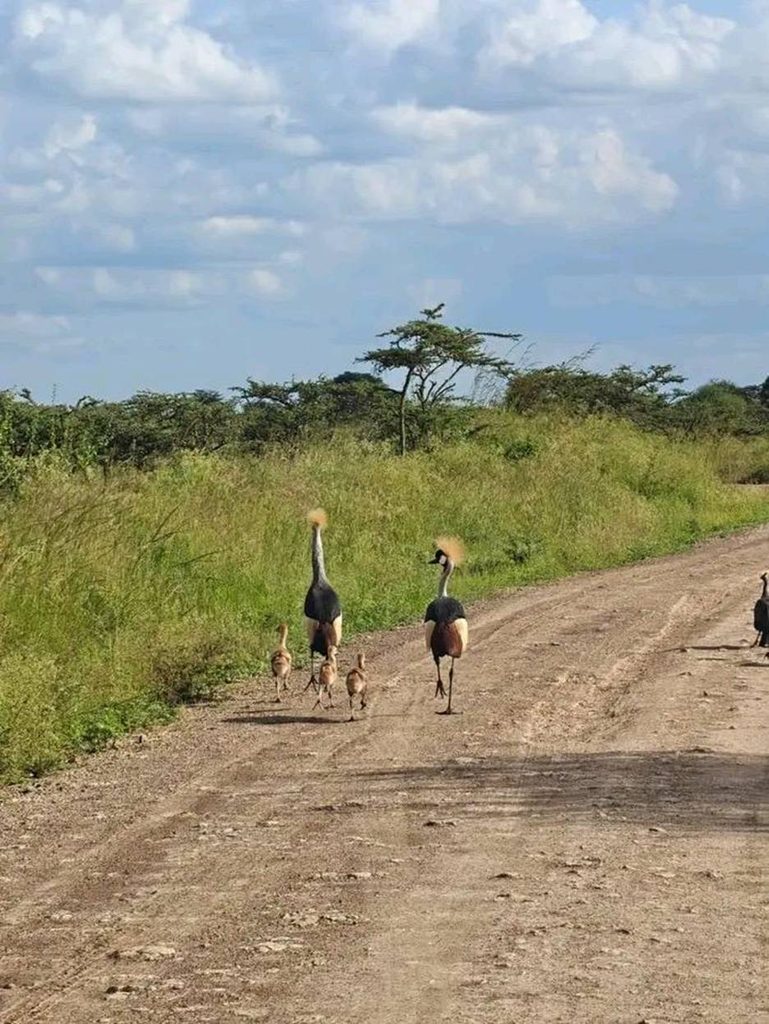
Grey-Crowned Crane By: Lawrence-Ranger-Queen Elizabeth national park
After more than a decade guiding, I have become convinced that the future of Uganda’s birds will not be secured by conservationists alone. It will require the government, It will require conservation organisations. It will require scientists, It will require tourism operators. It will require birdwatchers. And most importantly, it will require the people who live closest to the habitats we are trying to protect. The community should not simply be viewed as a threat to biodiversity. The community should be one of biodiversity’s greatest defenders. But to achieve that, we must give people a reason to defend it.
Instead of asking only; How do we protect this bird?” Perhaps we should also ask; “How can protecting this bird help the people who live with it?”
That small change in the question can completely change the conservation conversation. A wetland can provide habitat for a Shoebill and income for a boat operator. A forest can protect rare birds and provide employment through tourism. A community can protect a habitat and gain skills, income and pride from doing so. This is the future I would like to see for Uganda.
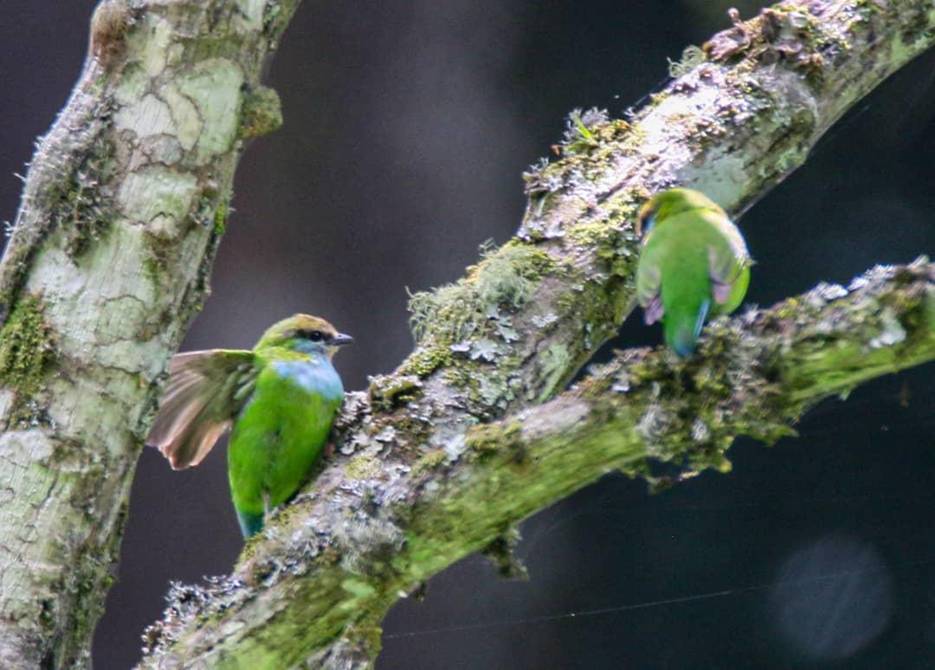
Gruaer’s Broadbill in Ruhijja-Godfrey
The birds are telling us something
Every morning when I enter the forest, I hear birds before I see them. Their calls remind me that the forest is alive. But those sounds also remind me that conservation is a responsibility shared between generations.
The people living around Uganda’s forests and wetlands today should not be expected to carry the entire burden of protecting nature for the benefit of everyone else. They should be partners in deciding how that nature is protected and how its benefits are shared. After all, a bird does not understand the boundaries between conservation and community.
It simply needs a safe place to live. Our responsibility is to create a future where that safe place also provides hope and opportunity for the people who call the same landscape home. As a Ugandan bird guide, that is the conservation future I believe in. Birds are protected. Communities are respected. Young people are empowered. And tourism creates a genuine reason for people to keep nature alive.
Because ultimately, bird conservation should never become a burden to communities. It should become a partnership with them.
Godfrey Elasmus is a bird guide and the founder of Avian Conservation Uganda.