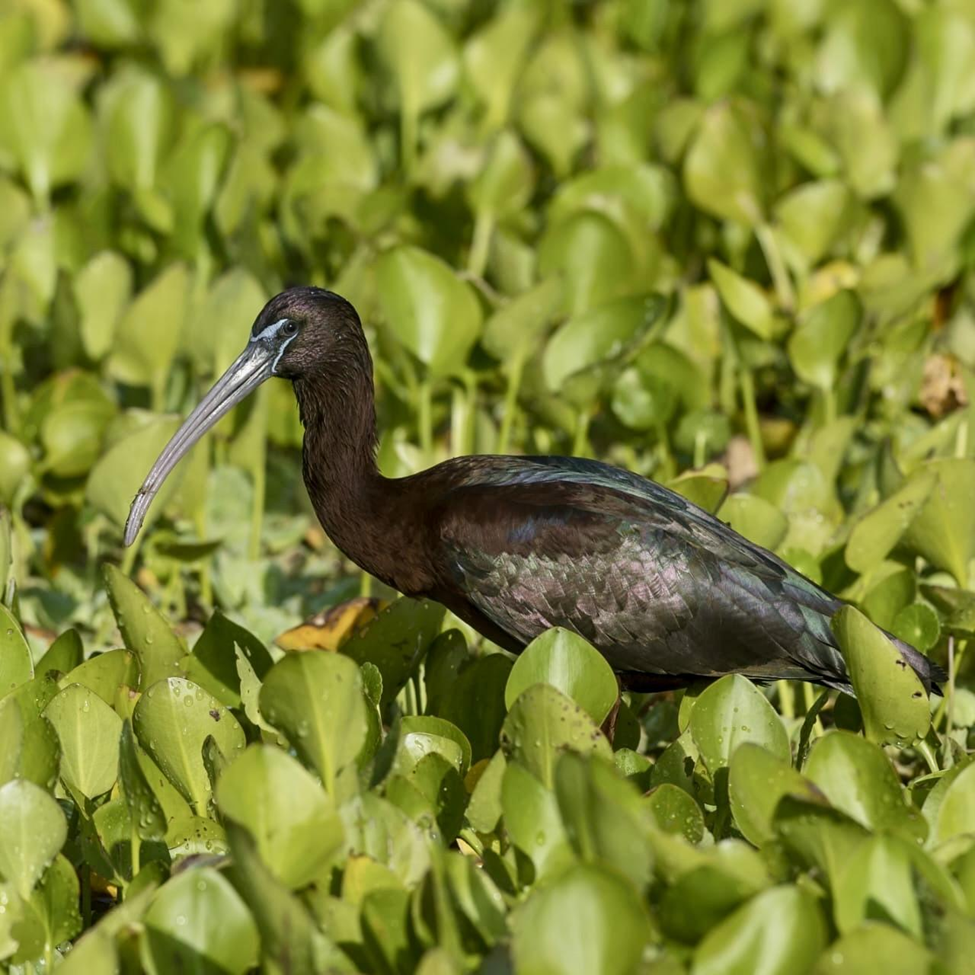
Glossy Ibis

Conservation Status:

The Glossy Ibis is listed as Least Concern by the IUCN report of 2025, with a large global population.

Population Trends:

Encouragingly, the species shows a generally stable to increasing trend in many parts of its range, thanks to its adaptability to changing wetland conditions.

Population Size:

Estimated at over 200,000 individuals.

Family:

Threskiornithidae family

Location:

In Uganda, the Glossy Ibis is commonly seen in wetlands, marshes, floodplains, rice fields, and lake edges.

Habitat:

Around Lake Victoria, Lake Kyoga, and seasonal wetlands. It feeds in shallow water, probing mud with its curved bill for insects, crustaceans, and small aquatic life.

Migration Pattern:

The Glossy Ibis is a partial migrant. Some populations in Africa are resident, while others move seasonally across regions.

Migration Distance:

Birds migrating from Europe and Asia can travel thousands of kilometers, while local movements within Africa are usually short to moderate distances, following rainfall and water availability.
Glossy Ibis
Glossy Ibis

About this Bird:

The Glossy Ibis (Plegadis falcinellus) is a striking wetland bird, admired for its dark, iridescent plumage that glows green and purple in the sunlight. A member of the Threskiornithidae family, it is one of the more adaptable ibis species, found across multiple continents.

A Symbol of Resilience

Graceful and adaptable, the Glossy Ibis reflects the resilience of wetland ecosystems. Its presence in Uganda’s waters is a reassuring sign that, where wetlands are protected, life continues to flourish in quiet abundance.

More Birds