
PRELIMINARY VERIFICATION AND MONITORING REPORT
African Pitta (Pitta angolensis) and Avifaunal Survey-Bushara Island, L. Bunyonyi
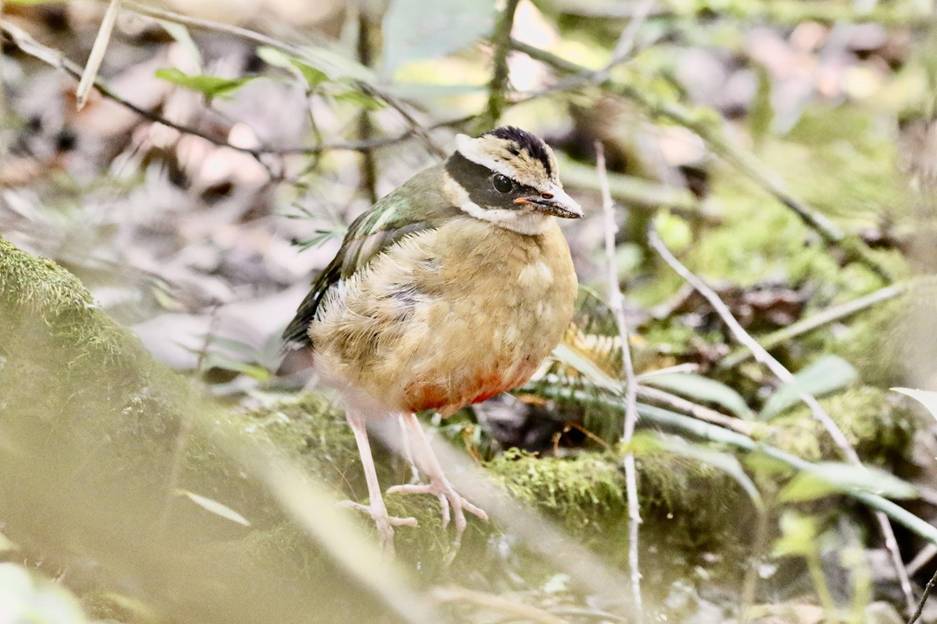
Figure 1 Photo by: Christopher M.
Location: Bushara Island, Lake Bunyonyi, Kabale District, Uganda
Monitoring Period: 2 Days
Total Bird Species Recorded: 76 species
Target Species: African Pitta (Pitta angolensis)
Survey Team: Godfrey Elasmus, Muhumuza Christopher and Nickson-Site Bird Guide, Lake Bunyonyi
Date: 27-29th/08/2026.
1. Introduction
Avian Conservation Uganda conducted a two-day preliminary bird verification and monitoring exercise on Bushara Island, Lake Bunyonyi, following local reports of an unusual bird believed to be the African Pitta (Pitta angolensis).
The exercise aimed to verify the African Pitta reports while also assessing the broader bird diversity of Bushara Island and its surrounding habitats.
The monitoring team comprised Godfrey Elasmus, Muhumuza Christopher and Nickson, a local bird guide with extensive knowledge of the Lake Bunyonyi area.
2. Key Findings
The two-day monitoring exercise produced an encouraging result, with a total of 76 bird species recorded.
Among the species observed was the African Pitta, with two individuals sighted on two separate occasions.

Summary of Results
The recording of 76 species within only two days demonstrates the high bird diversity and ecological value of Bushara Island and provides a strong foundation for further ornithological monitoring.
3. African Pitta Verification
The African Pitta is a colourful but highly elusive species, making the repeated sightings particularly noteworthy.
The team recorded two individuals on two separate occasions, supporting the earlier local reports of the species in the area.
It should be clarified that the African Pitta is not a new species for Uganda nationally. Its significance in this case is that the observations may constitute a new or previously undocumented local record for Bushara Island and the wider Lake Bunyonyi area, subject to verification against existing records.
Further monitoring is therefore recommended to establish whether the species occurs seasonally, regularly or as part of a more established local population.
4. Overall, Bird Diversity
The recording of 76 species in two days is an important finding from the survey.
The diversity recorded reflects the variety of habitats available on and around Bushara Island, including woodland, forest patches, gardens, shoreline areas, cultivated landscapes and other natural vegetation.
The results demonstrate that Bushara Island has considerable potential for:
- Birdwatching;
- Nature walks;
- Bird photography;
- Ecological research;
- Environmental education, and
- Community-based conservation tourism.
The complete species checklist from the monitoring exercise should be maintained as an important baseline for future surveys and comparisons.
5. Conservation Significance
The presence of the African Pitta, together with the recording of 76 bird species, highlights the importance of maintaining Bushara Island’s natural habitats.
Although the African Pitta is currently classified globally as Least Concern, local populations and habitats still require monitoring and protection.
The survey provides an opportunity to establish a long-term bird monitoring programme for Bushara Island and the entire lake Bunyonyi ecosystem , which could help document seasonal movements, population changes and habitat preferences.
Local bird guides should be actively involved because their regular presence in the field makes them valuable partners in detecting and documenting unusual species.
6. Significance to Lake Bunyonyi Tourism
The results further strengthen the potential of Lake Bunyonyi as a birdwatching and nature-tourism destination.
The combination of 76 recorded species and the presence of the elusive African Pitta provides a strong opportunity to develop more specialised birding experiences around Bushara Island. Potential tourism products include:
- Guided birdwatching walks;
- Specialist African Pitta searches;
- Bird photography excursions;
- Forest and woodland birding;
- Canoe-based birdwatching;
- Bird identification experiences; and
- Community-based birding tours.
Developing these activities responsibly could increase visitor interest, create additional opportunities for local guides and tourism operators, and encourage greater appreciation and protection of the island’s natural environment.
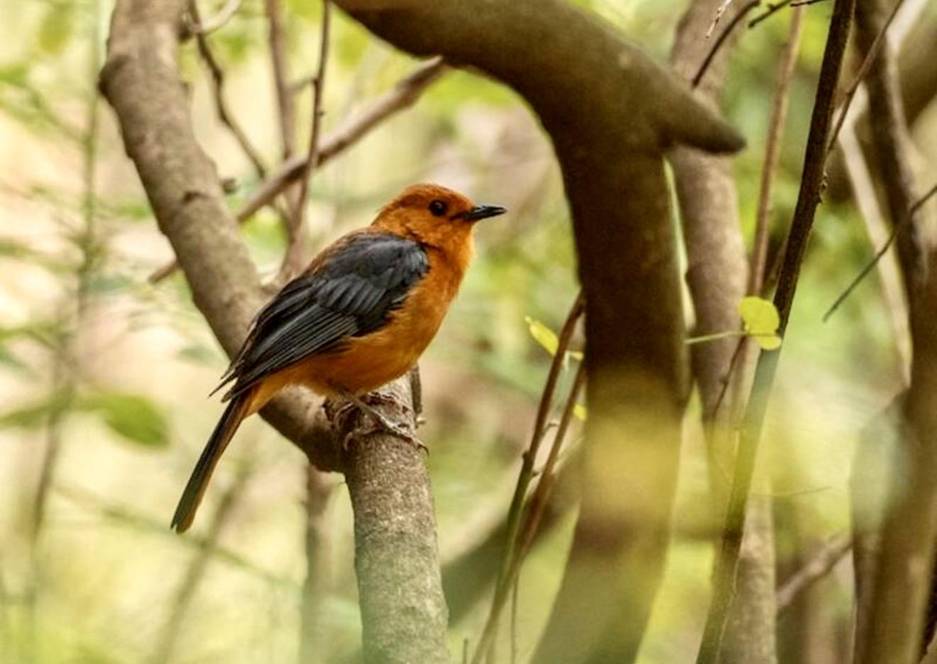
Figure 2 Natal Robin: Photo by: Christopher M-Bukhara Island.
7. Recommendations
Avian Conservation Uganda-ACUG recommends:
- Continue monitoring Bushara Island across different seasons.
- Develop and maintain a comprehensive Bushara Island bird checklist based on the 76 species already recorded.
- Conduct targeted surveys to establish the African Pitta’s seasonal occurrence.
- Encourage local bird guides to document and report unusual sightings.
- Record future African Pitta observations through photographs, video, audio and GPS coordinates where possible.
- Protect natural vegetation and important bird habitats on the island.
- Develop responsible birdwatching guidelines to minimise disturbance.
- Explore the development of a specialised Bushara Island birding tourism programme.
- Share verified records with relevant bird and conservation databases
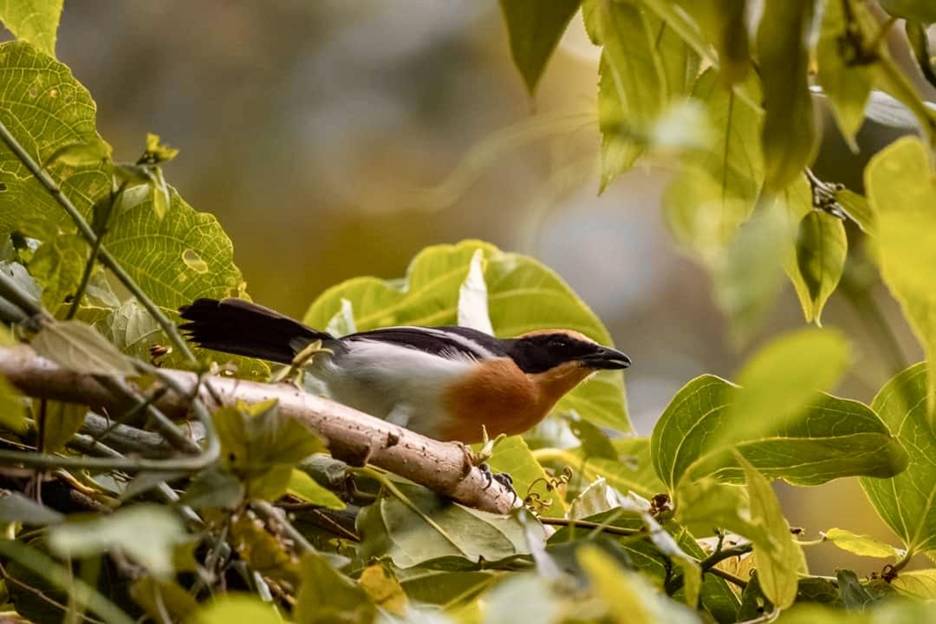
Figure 3 Lüdher’s Bush-shrike – Photo by Christopher M. Bushara island
8. Conclusion
The two-day Avian Conservation Uganda-ACUG monitoring exercise on Bushara Island produced 76 bird species, demonstrating the island’s considerable avifaunal diversity and conservation value.
Of particular interest was the observation of two African Pittas on two separate occasions, providing important support to local reports of the species in the area.
While the African Pitta is already known from Uganda, its occurrence on Bushara Island may represent an important local distribution record and warrants further investigation.
The findings provide a strong basis for continued bird monitoring while presenting an exciting opportunity to strengthen bird conservation, local livelihoods and sustainable tourism around Lake Bunyonyi.
Prepared by:
Godfrey Elasmus – Avian Conservation Uganda