
Avian Conservation Uganda Hosts First Online eBird Training for Uganda’s Birding Community
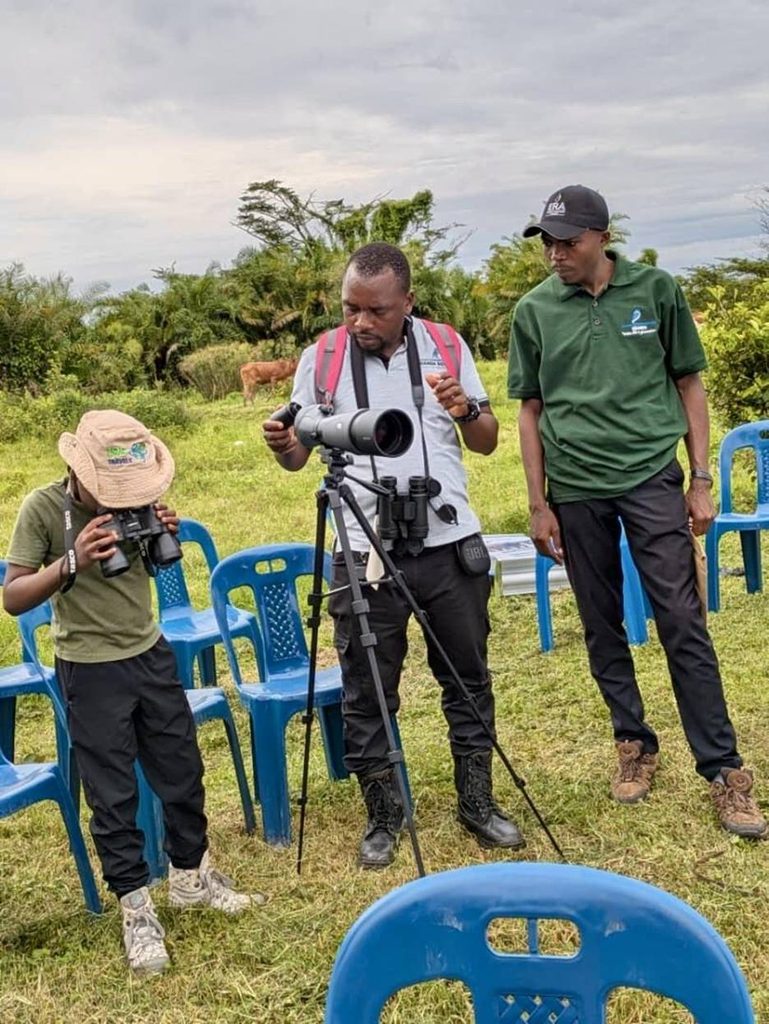
Figure 1 Kampala, Uganda-August 2026
Avian Conservation Uganda recently hosted a landmark online webinar introducing bird watchers in Uganda to eBird and how they can use the platform to contribute valuable bird data for conservation, research and monitoring.
The webinar brought together 54 members of Uganda’s birding community, who participated from the beginning to the end of the training. Their strong participation demonstrated the growing interest among birders to go beyond simply enjoying birds and actively contribute to their conservation.
Turning Bird Watching into Conservation Action
The training focused on helping participants understand how eBird works and, importantly, how their everyday birding experiences can become useful scientific information when properly recorded and shared.
Participants were introduced to key aspects of eBird, including creating checklists, recording bird observations, submitting sightings and understanding how the information collected can contribute to knowledge about Uganda’s birds and their distribution.
For many bird watchers, recording a bird in the field may seem like a small activity. However, when thousands of observations are brought together, they can provide an important picture of where birds occur, when they occur there and how their populations and habitats may be changing.

A Milestone for Bird Conservation in Uganda
This webinar was particularly important because it marked the first online training specifically designed to introduce Uganda’s birding community to eBird and the role they can play in collecting and sharing bird data.
With Uganda’s rich bird diversity and an active community of bird watchers, there is enormous potential to strengthen bird monitoring through citizen participation. Every birding trip can become an opportunity to contribute to conservation.
The training also encouraged bird watchers to see themselves not only as observers, but as partners in conservation. By consistently submitting accurate observations, birders can help researchers, conservation organisations and other stakeholders better understand Uganda’s avifauna and make more informed conservation decisions.
Building a Community of Citizen Scientists
The participation of 54 birders from across the community is an encouraging beginning. Avian Conservation Uganda hopes that the knowledge gained from the webinar will translate into more birders regularly using eBird during their birding activities.
The organisation also recognises that successful bird conservation depends on collaboration. Bird guides, tour operators, researchers, students, conservationists and recreational birders all have a role to play in building Uganda’s bird knowledge.
The webinar therefore represents more than just an introduction to a digital platform. It is a step towards creating a stronger culture of citizen science, data sharing and evidence-based bird conservation in Uganda.
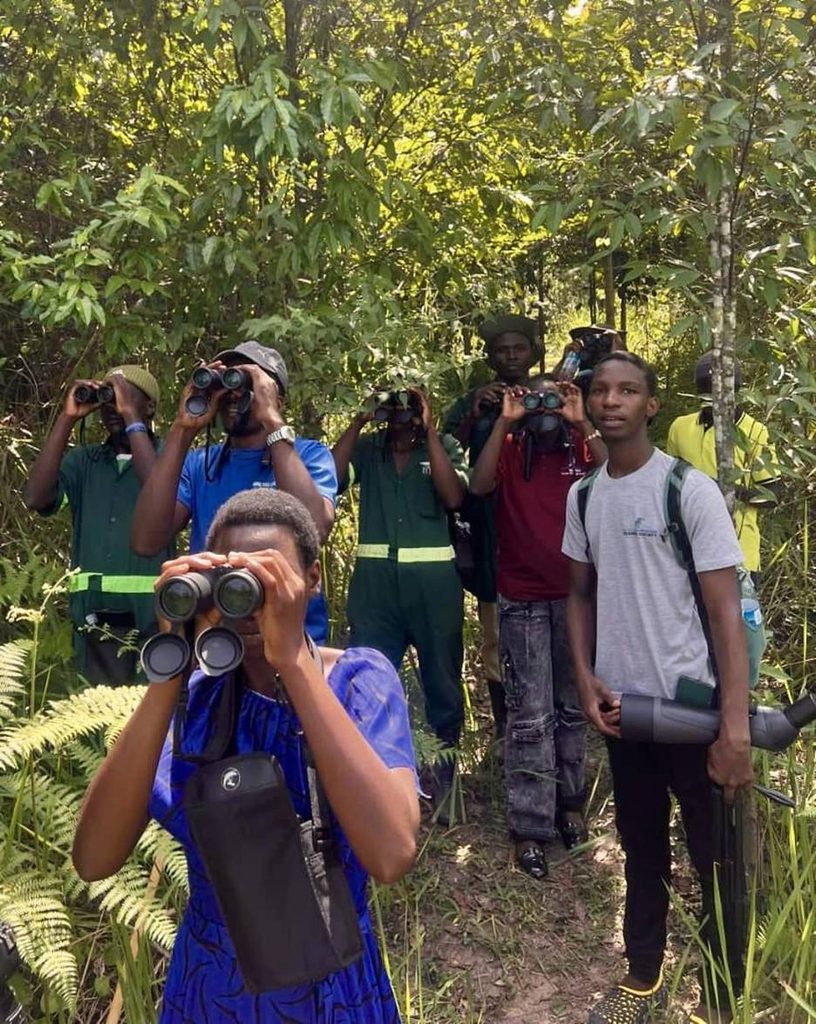
Looking Ahead
Avian Conservation Uganda will continue to create opportunities for bird watchers to improve their skills, share knowledge and participate meaningfully in conservation.
The message from the webinar was simple: every bird matters, every observation matters, and every birder can contribute.
By embracing tools such as eBird and working together as a community, Uganda’s bird watchers can help ensure that the country’s remarkable birdlife is better documented, understood and protected for generations to come.
Avian Conservation Uganda thanks all 54 participants for their enthusiasm, commitment and willingness to contribute to the future of bird conservation in Uganda.