
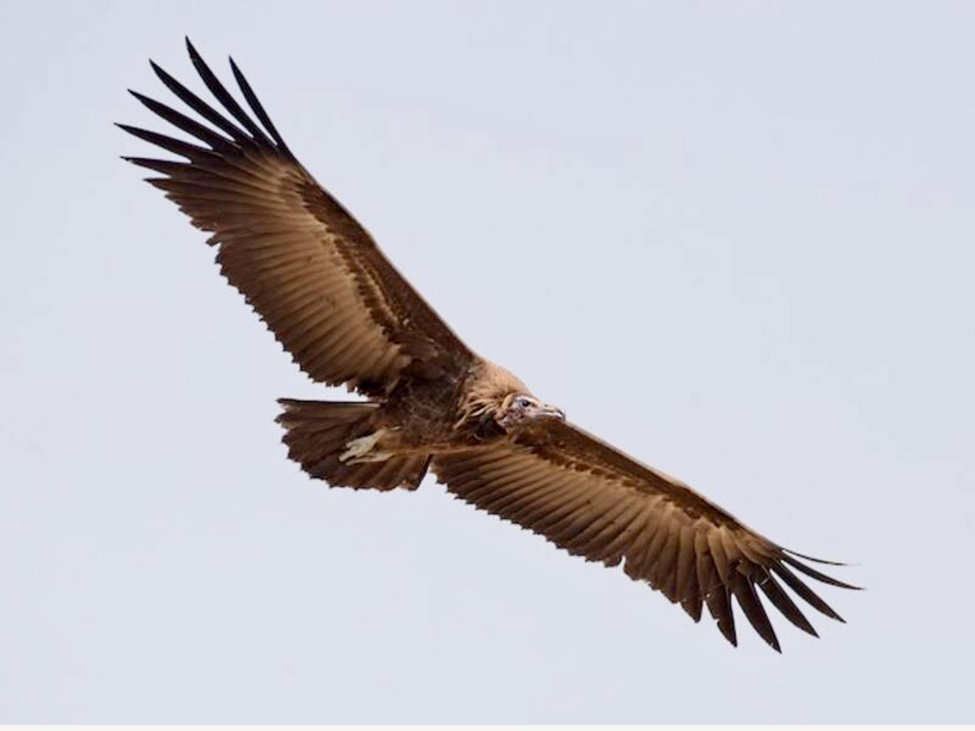
Staggering Trade for Belief-Based Use Driving Hooded Vultures to Near-Extinction in Uganda
By Godfrey, The Bird Guide across Eastern Africa & Founder, Avian Conservation Uganda
The Skies I Grew Up Under Are Changing.
For more than a decade guiding across Eastern Africa, I have watched landscapes change but few changes have struck me as deeply as the quiet disappearance of the hooded vulture (Necrosyrtes monachus).
There was a time when you could not miss them. Around slaughter points, market centers, and even along roadside stops during birding trips, they were part of the rhythm of daily life. As guides, we rarely needed to point them out they were simply there, faithful cleaners of our environment.
Today, I find myself pausing during tours, scanning the same skies, and realizing something is missing.
And visitors notice too.
A Bird That Lived Closest to Us
Unlike many raptors that prefer remote wilderness, hooded vultures chose to live among us.
In towns like Kampala, Entebbe, and across smaller trading centers in Uganda, they thrived where humans gathered. For a bird guide, this made them one of the easiest species to introduce to beginners an accessible doorway into understanding scavengers and ecosystems.
But this closeness has now turned into their greatest vulnerability.
The Trade I Began Hearing About
Over the years, conversations with local communities, fellow guides, and conservation partners began revealing a troubling pattern: Hooded vultures were being hunted for belief-based use.
In many traditions, vultures are associated with Foresight and intelligence, Spiritual protection,Luck and success
These beliefs have existed for generations. As someone rooted in African heritage, I understand the value of tradition. But what we are witnessing today is not tradition in its original form, it is commercialized demand, growing faster than the species can survive.
Markets have expanded. Prices have risen. And suddenly, a bird that once flew freely above our towns has become a commodity.
What I See in the Field Today
During recent guiding trips whether in Uganda, Rwanda, or parts of Kenya the difference is clear, Fewer sightings in areas where they were once guaranteed, Smaller groups where dozens used to gather, Long stretches of travel without seeing even one , For a visiting birder, this might seem like a normal variation.
But for those of us who have spent years in these same places, it is a warning sign.
The hooded vulture is now Critically Endangered, and in many areas, it is quietly slipping away.
Why This Loss Matters From a Guide’s Perspective.
When I guide guests, I always say:
“You cannot understand Africa’s wilderness without understanding its scavengers.” Vultures are not just birds they are guardians of health.
They Remove carcasses before they spread disease
m, Keep ecosystems clean, Prevent the rise of dangerous scavengers like feral dogs
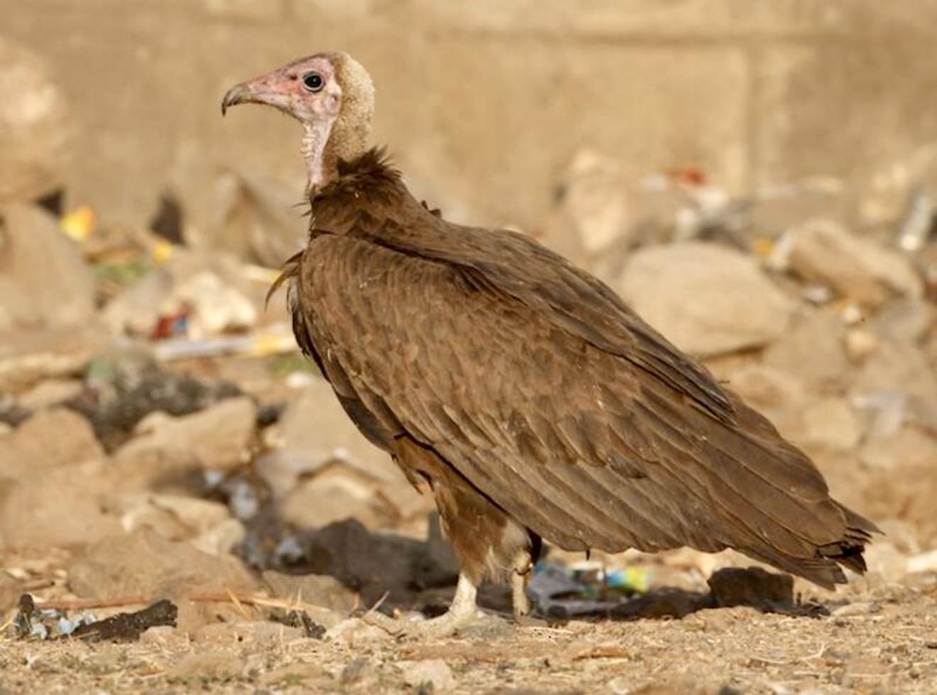
Without them, the balance begins to break. This is not a theory. It is something we are beginning to feel.
The Cultural Balance We Must Find
As a guide and as the founder of Avian Conservation Uganda, I stand at a crossroads between culture and conservation.
We cannot dismiss belief systems they are part of who we are.
But we must ask ourselves a hard question:
What happens when our practices lead to permanent loss?
True tradition has always respected nature. It never wiped it out.
The challenge now is to, Educate communities without disrespecting beliefs, Promote alternatives that do not harm wildlife, Empower local voices to lead conservation efforts
A Message to Travelers and Conservation Partners
Every traveler who comes to Eastern Africa becomes part of this story.
When you choose birding experiences, support conservation initiatives, or simply ask questions about wildlife you are helping keep these species visible and valuable alive, not dead.
As guides, we must also do more. Speak about these issues during tours, share knowledge, not just sightings, and inspire appreciation, not just photography
I still believe the hooded vulture can recover.
Africa has done it before. Species have returned when communities, guides, and conservationists worked together with purpose.
But time is not on our side.
One day, a young guide may stand where I stand and describe the hooded vulture not as a common bird but as a story. That is not a future I am willing to accept. And it shouldn’t be one we pass on.