
Sustaining Research in Uncertain Times.
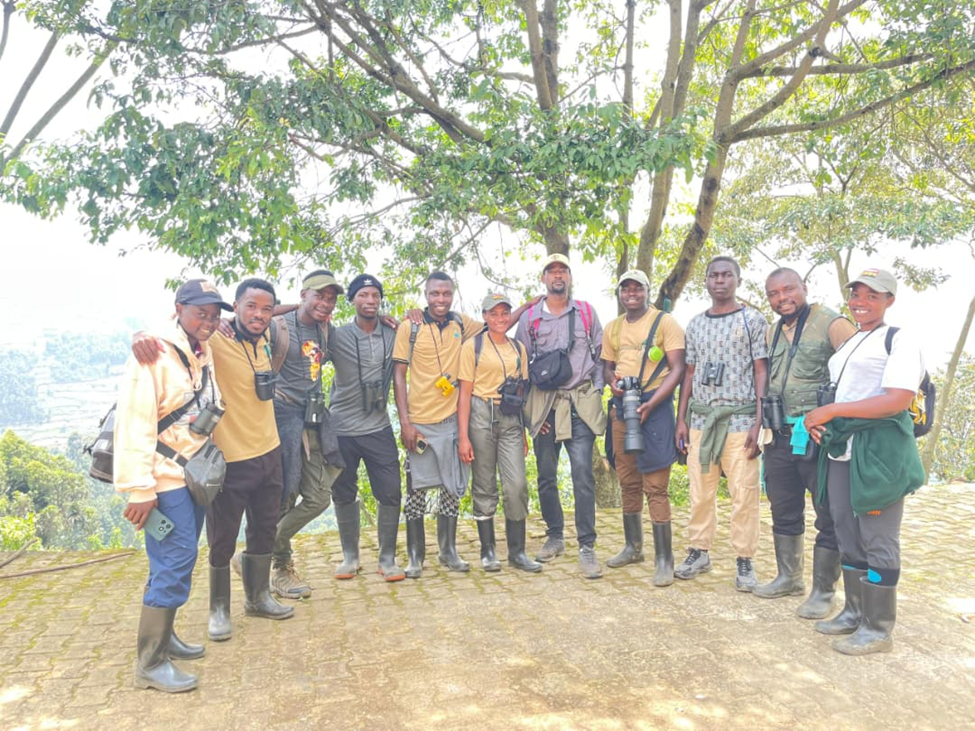
In Uganda, where the rhythm of nature has guided communities for generations, bird guides have long stood as quiet custodians of knowledge. We walk the wetlands at dawn, listen to the forests at dusk, and over time, we come to understand not just where birds are but how they live, move, and struggle. Today, as many species face increasing pressure, that traditional role must grow into something more: active participation in research and conservation.
When Instability Meets Conservation
Across Uganda, habitat loss, wetland degradation, climate shifts, and human pressure are creating uncertainty for many bird species especially those already threatened. Research is essential to understand these changes, but it is often underfunded, inconsistent, or disconnected from the very landscapes it seeks to protect.
This is where bird guides and local conservationists step in not as outsiders, but as daily witnesses to change.
The Strength of Local Knowledge
As guides, we spend more time in the field than most researchers ever can. We know when the shoebill stops nesting in a swamp, when vultures disappear from a carcass site, or when seasonal migrants arrive late. This knowledge, built over years, is not written in books but it is powerful.
When properly recorded and shared, it becomes real data that can shape conservation decisions and support scientific research.
Building Sustainable Research from the Ground Up
To sustain meaningful research, we must embrace a few practical, time-tested approaches:
- Community-Based Monitoring:
Train bird guides and local youth to collect simple, consistent data species sightings, nesting behavior, and habitat conditions. - Partnerships with Researchers:
Create strong links between guides, conservation organizations, and academic institutions, ensuring local observations feed into formal studies. - Use of Simple Technology:
Tools like mobile apps, GPS, and photography allow guides to document sightings in real time, making contributions more credible and accessible. - Tourism Supporting Research:
Birding tourism can directly fund conservation. A portion of guiding fees can support monitoring programs, equipment, and training..
Turning Passion into Protection
For many of us, bird guiding is more than a profession it is a calling. We have seen species like the Grey-crowned Crane and vultures decline before our eyes. That reality demands action.
By stepping into research, even in small ways, we move from being observers to protectors of the future.
Challenges We Must Face Honestly
Sustaining research is not easy. There are real challenges:
- Limited funding and equipment
- Lack of formal training for local guides
- Inconsistent data collection
- Pressure from development and land-use change
But if there is one thing Uganda has always shown, it is resilience. Conservation here has never been about abundance, it has been about commitment.
A Shared Responsibility
The future of Uganda’s birds does not lie in institutions alone. It lies in the hands of those who walk the land every day guides, rangers, communities, and conservationists.
If we strengthen our role, document what we see, and work together, we can build a sustainable, locally rooted research culture that endures beyond projects and funding cycles.
Final Word from the Field
As a bird guide, I have learned that the forest speaks but only to those who return again and again. If we listen carefully, record faithfully, and act responsibly, we can ensure that even the most threatened species still have a place in Uganda’s story.
Because in the end, conservation is not just about saving birds, it is about keeping the land alive, as it has always been, for those who will come after us.