
Uganda’s Birdwatchers Can Fill Critical Gaps in Conservation Data Collection
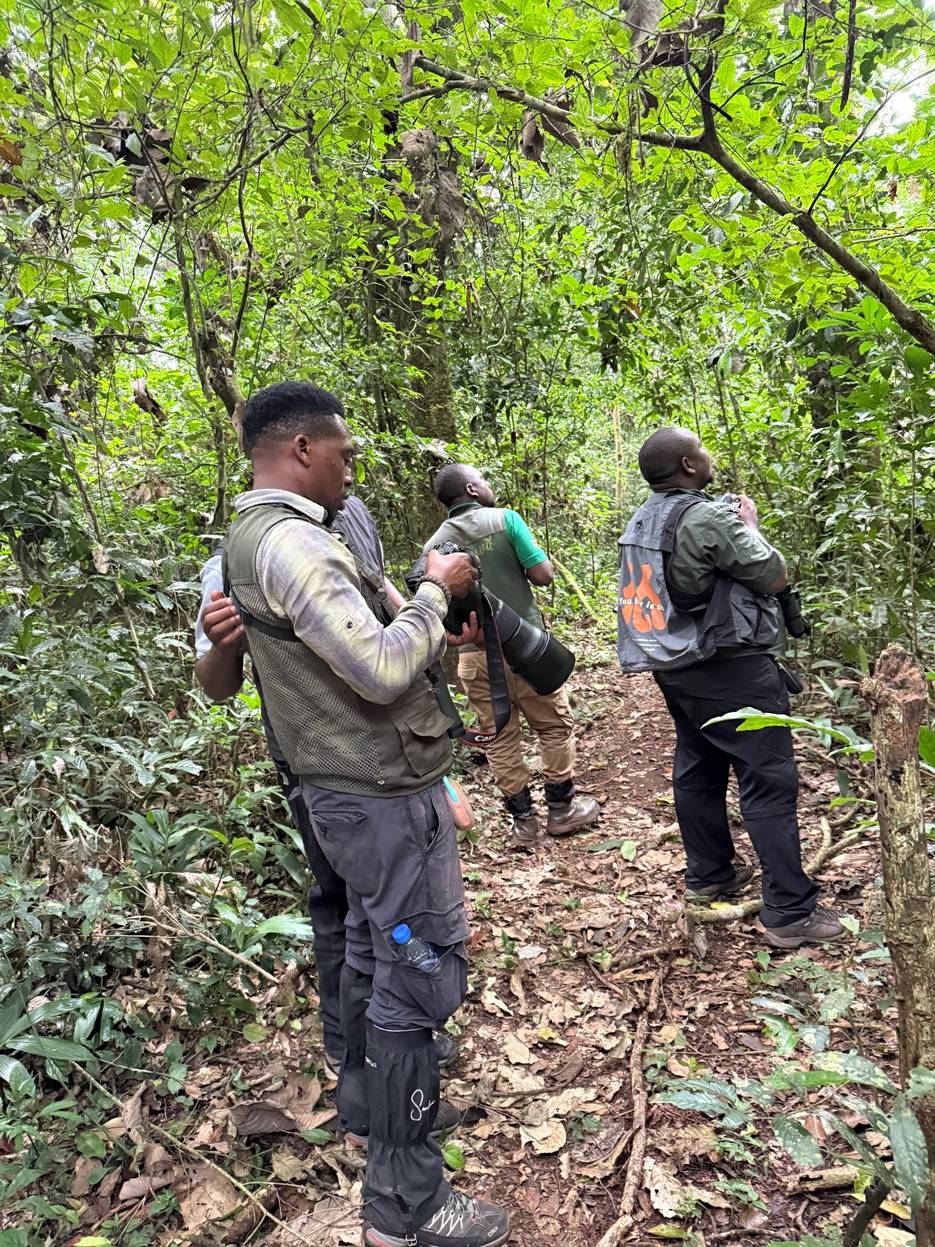
Uganda is internationally celebrated as one of Africa’s premier birdwatching destinations, with more than 1,090 recorded bird species. While birdwatching has traditionally been viewed as a tourism activity, it also presents one of the country’s greatest opportunities to strengthen biodiversity conservation through citizen science.
Every birdwatcher who records observations in forests, wetlands, grasslands, mountains, and farmlands contributes valuable information that can help scientists understand how bird populations are changing over time. Professional researchers cannot survey every corner of Uganda regularly, making the participation of volunteer birdwatchers increasingly important.
Why Conservation Data Matters
Reliable conservation data forms the foundation of effective environmental management. It enables conservation organizations and government agencies to:
- Monitor population trends of threatened and common bird species.
- Detect changes in migration patterns.
- Identify important breeding and feeding habitats.
- Understand the effects of climate change and habitat loss.
- Guide the designation and management of Important Bird Areas (IBAs), Ramsar Sites, and protected areas.
- Inform national and international conservation policies.
Uganda has already demonstrated the value of volunteer-based monitoring through long-running citizen science programmes coordinated by conservation organizations and dedicated volunteers. However, there is still enormous potential to expand participation across the country and generate more comprehensive datasets to support conservation planning.
Filling the Geographic Gaps
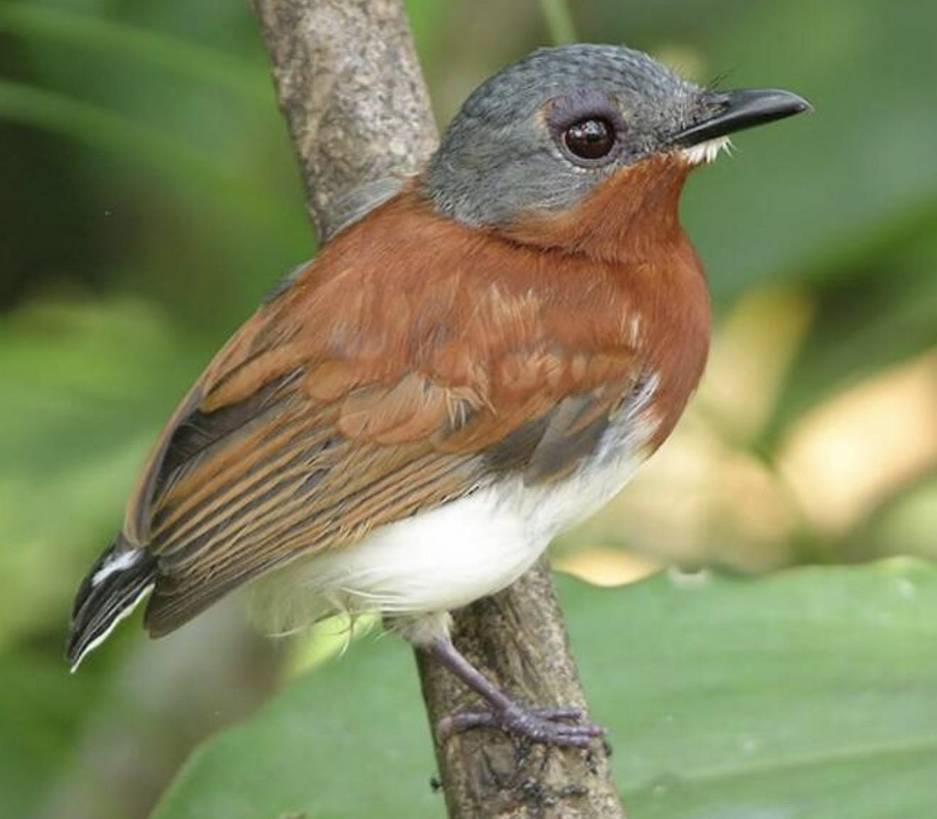
Despite Uganda’s remarkable bird diversity, many regions remain under-surveyed. Most bird records originate from well-known birding destinations such as Bwindi Impenetrable National Park, Murchison Falls National Park, Kibale National Park, Queen Elizabeth National Park, and Mabamba Wetland.
However, numerous forests, wetlands, agricultural landscapes, and community-managed areas receive little monitoring. These locations may support important populations of threatened, endemic, or migratory birds that remain poorly documented.
By visiting less-explored areas and submitting complete bird checklists, birdwatchers can significantly improve national biodiversity databases and reveal previously overlooked conservation priorities.
Bird Guides as Conservation Partners
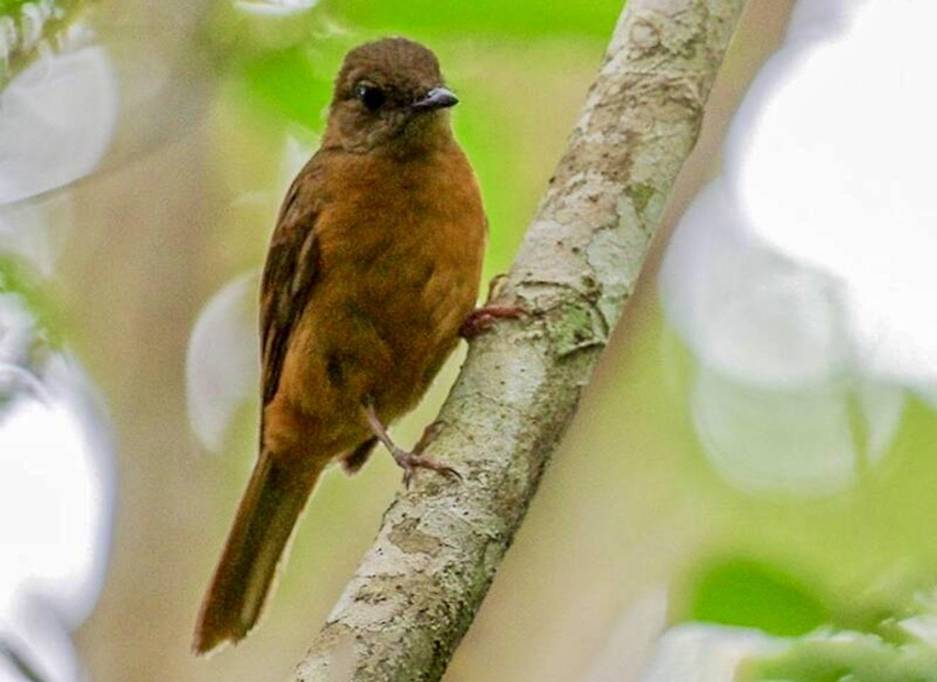
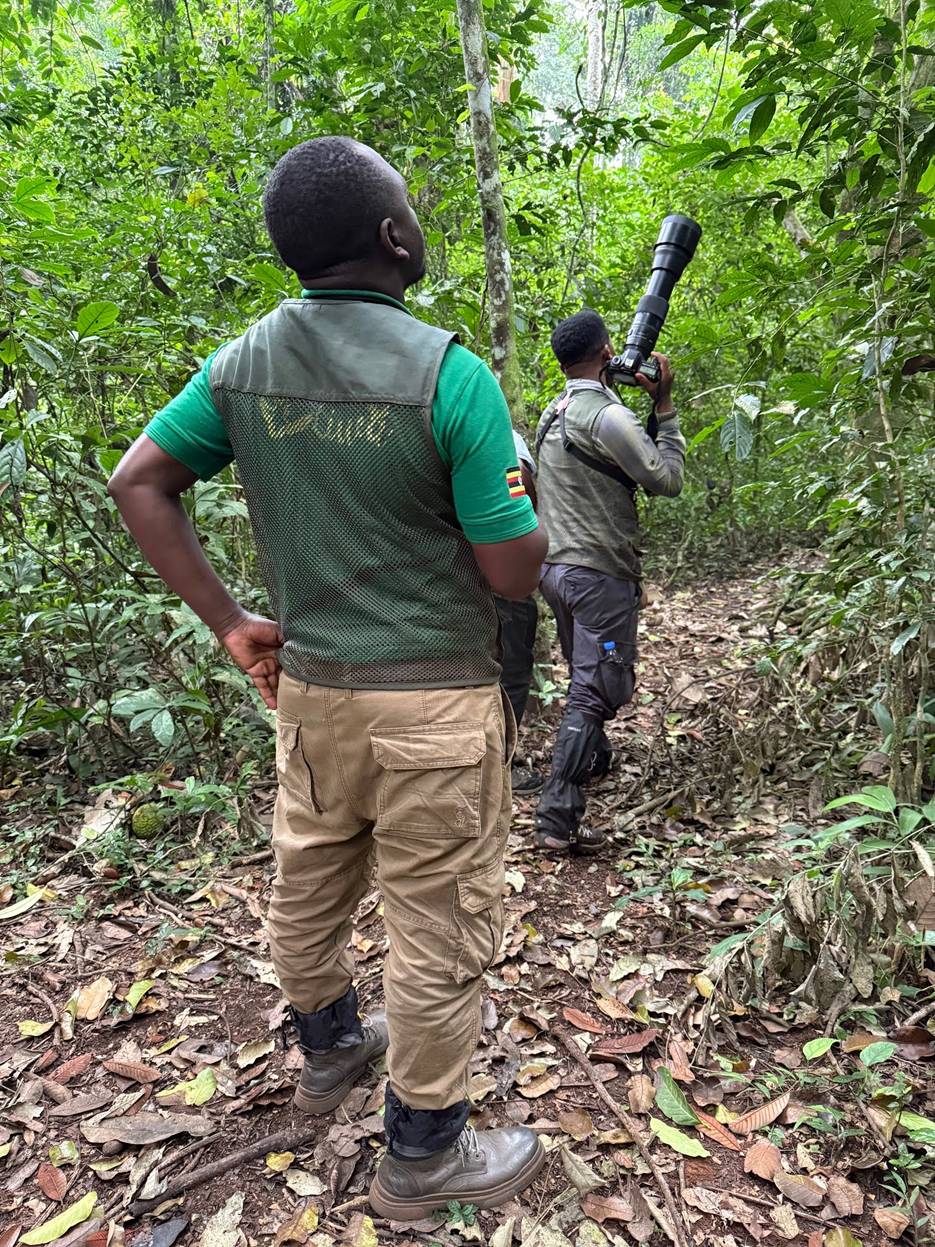
Uganda’s professional bird guides spend hundreds of days each year in the field. Their knowledge of bird behaviour, seasonal movements, breeding activity, and habitat changes makes them uniquely positioned to contribute to scientific monitoring.
With proper training in standardized survey techniques and digital recording tools, bird guides can:
- Record breeding evidence.
- Monitor rare and endemic species.
- Detect invasive species.
- Report habitat degradation.
- Document unusual migration events.
- Verify important sightings with photographs and sound recordings.
Their observations can provide continuous monitoring at a scale that would otherwise be impossible for researchers alone.
The Role of Technology
Modern digital platforms have transformed bird conservation. Mobile applications such as eBird enable birdwatchers to submit complete checklists with GPS locations, dates, photographs, and audio recordings. These observations become part of global scientific databases used by researchers to study bird distributions, migration, and population trends.
Building a National Bird Monitoring Network
Uganda has the opportunity to become a continental leader in citizen science by strengthening partnerships among conservation organizations, universities, tourism operators, local communities, and government institutions.
Regular bird monitoring excursions, volunteer surveys, school bird clubs, and community bird atlases can dramatically increase the amount of conservation data collected each year. This collaborative approach also builds environmental awareness and empowers citizens to become active stewards of Uganda’s natural heritage.
A Call to Action
Every birdwatcher has the power to contribute to conservation. Whether observing birds in a national park, a village wetland, a school compound, or a backyard garden, every carefully recorded sighting adds another piece to Uganda’s conservation puzzle.
At Avian Conservation Uganda, we believe that birdwatching is more than a hobby it is a powerful conservation tool. Through regular bird monitoring excursions, citizen science initiatives, and conservation education, we can build a stronger national bird database that supports research, informs policy, and protects Uganda’s extraordinary birdlife for generations to come.
Together, every checklist counts, every observation matters, and every birdwatcher becomes a conservation partner.
About the Author
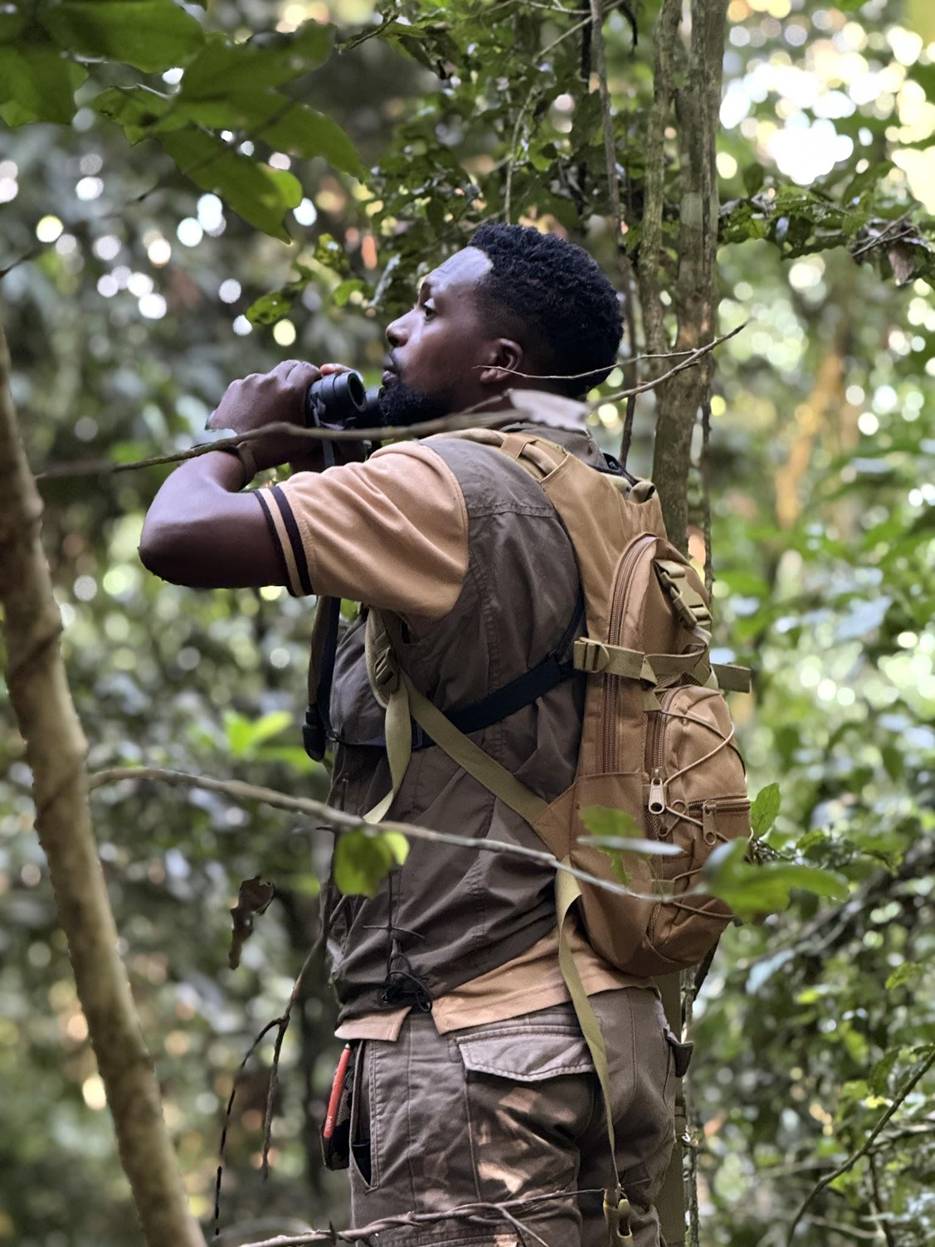
Godfrey Elasmus is a self-made conservationist, a professional bird guide working across Eastern Africa, and the Founder of Avian Conservation Uganda. He is passionate about promoting bird conservation through citizen science, conservation education, sustainable tourism, and community engagement. Through his work, he advocates for empowering birdwatchers, local communities, and tourism professionals to contribute meaningful conservation data that supports the long-term protection of Uganda’s exceptional birdlife.