
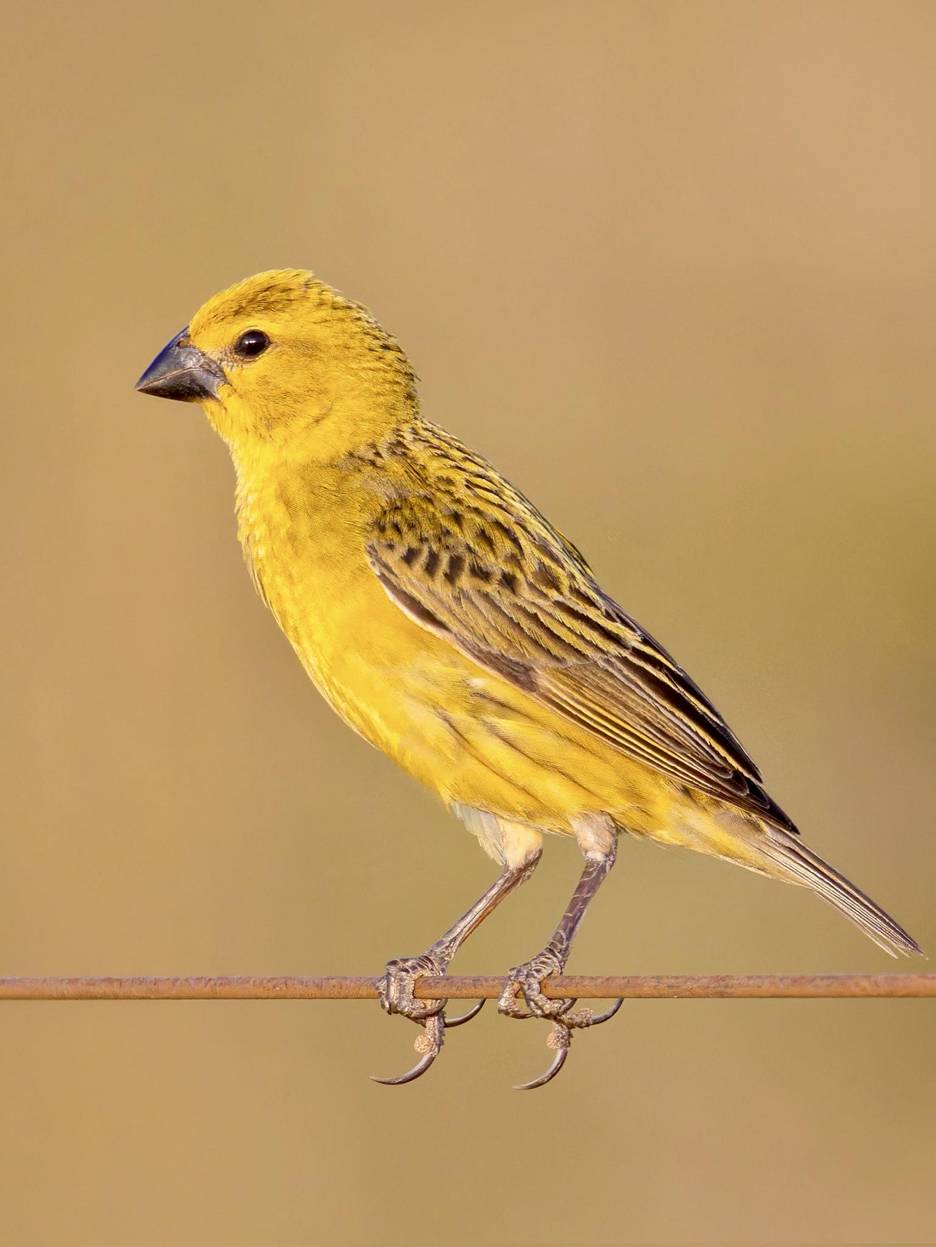
The Nest Usurper of African Wetlands
The Parasitic Weaver (Anomalospiza imberbis) is one of Africa’s most unusual birds. Unlike other weavers that build elaborate nests, this species practices brood parasitism, laying its eggs in the nests of other birds, particularly waxbills and other small finches. It is the only member of the genus Anomalospiza and belongs to the Viduidae family, closely related to whydahs.
Conservation Importance
The Parasitic Weaver is a fascinating example of the diverse breeding strategies found among birds. Its survival depends not only on healthy wetland habitats but also on the presence of suitable host species. Protecting Uganda’s wetlands therefore helps conserve both the Parasitic Weaver and the intricate ecological relationships that support it. Though rarely seen, this remarkable bird highlights the complexity and wonder of Uganda’s avian diversity, demonstrating that nature often finds extraordinary ways to thrive.