
The Powerful Builder of Uganda’s Wetlands
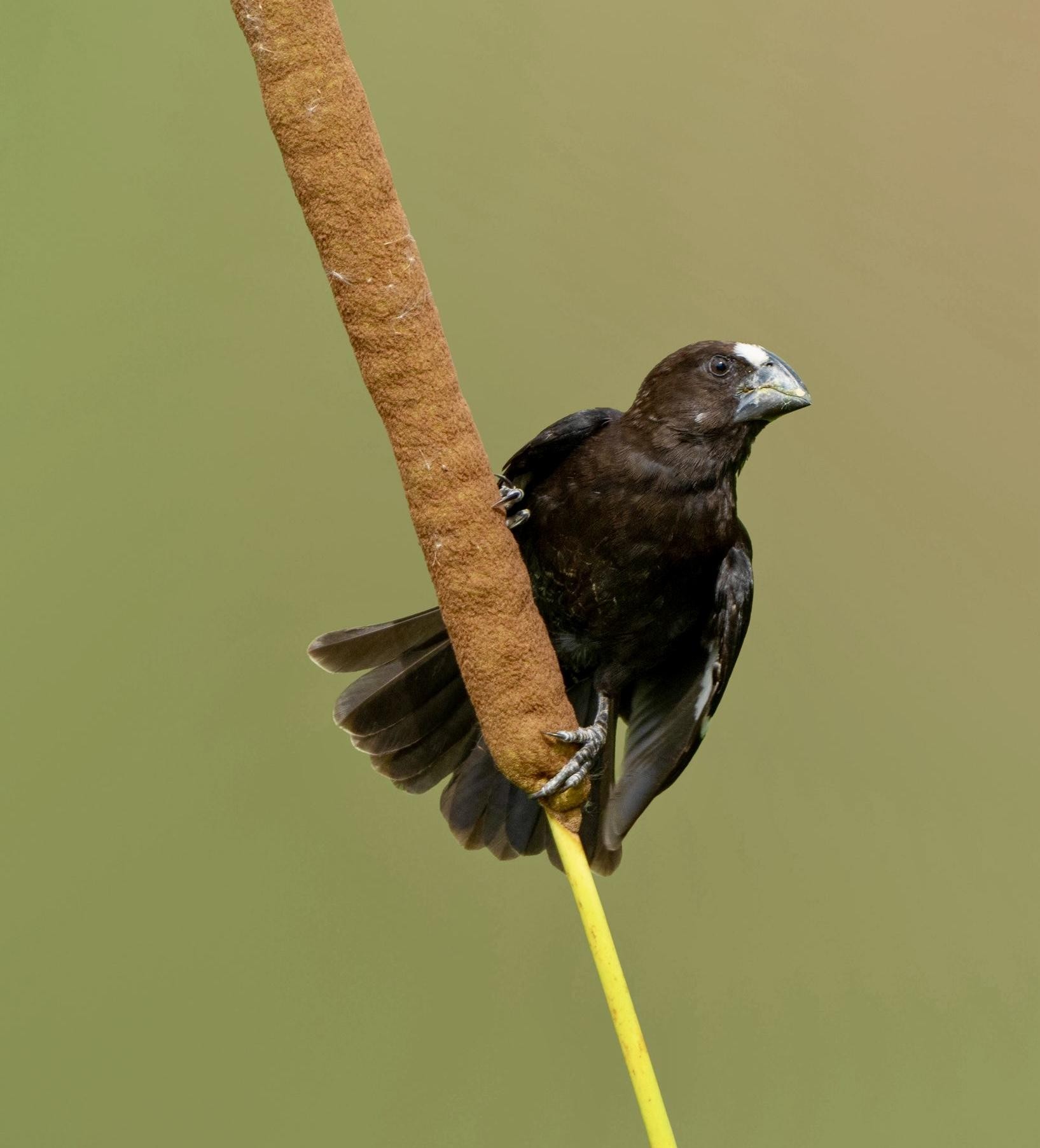
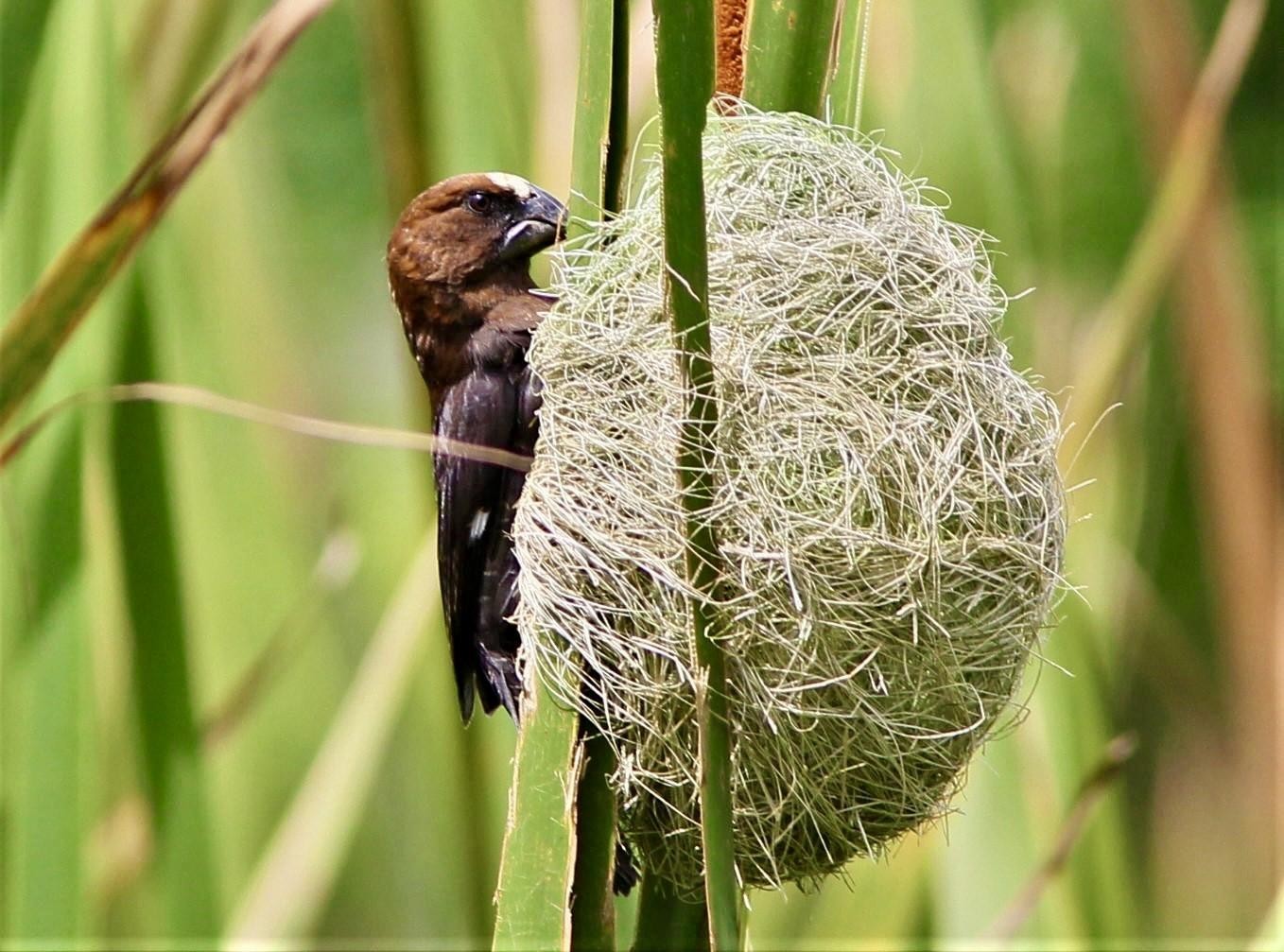
The Grosbeak Weaver (Amblyospiza albifrons) is one of Africa’s most distinctive weaver birds, recognized by its large, thick bill, robust body, and strong seed-cracking abilities. The breeding male is particularly striking, with dark plumage and bright eyes. It belongs to the Ploceidae family, a group renowned for intricate nest construction and social breeding behavior.
Conservation Importance
The Grosbeak Weaver is an important component of Uganda’s wetland ecosystems. By feeding on seeds and insects, it contributes to ecological balance and serves as an indicator of healthy wetland habitats.
For birdwatchers, the species is particularly interesting because of its unusual bill shape, colonial nesting habits, and strong association with papyrus wetlands. Conserving Uganda’s marshes, swamps, and lakeshores is essential for maintaining populations of the Grosbeak Weaver and many other wetland-dependent birds.
Though often overshadowed by more colorful species, the Grosbeak Weaver is a remarkable example of adaptation and specialization, thriving in some of Uganda’s most productive wetland environments.